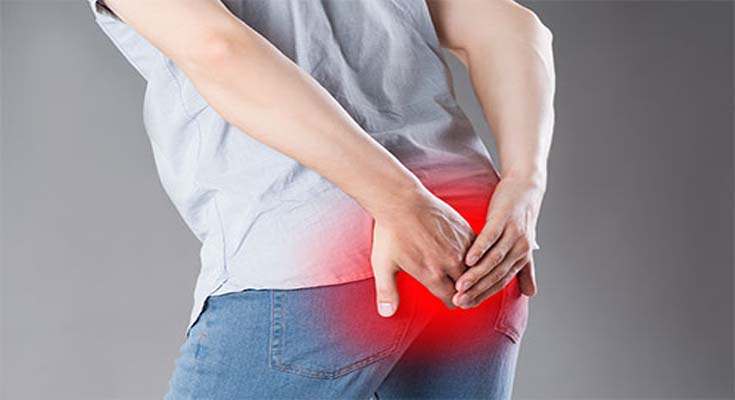
Piles, also known as haemorrhoids, are one of the most common anorectal conditions affecting both men and women. Despite being extremely common, many people hesitate to seek medical help due to embarrassment or fear.
However, recognising the early signs of piles can prevent complications, severe pain, and the need for emergency treatment later.
If you are experiencing discomfort or bleeding while passing stool, this article will help you understand what is normal — and what needs medical attention.
At MIDAS Healing Center, we provide confidential consultation and advanced, minimally invasive treatment options for safe and faster recovery.
What Exactly Are Piles?
Piles are swollen and inflamed blood vessels in the rectum or around the anus. They develop when pressure increases in the lower rectum, often due to constipation, prolonged sitting, obesity, pregnancy, or straining during bowel movements.
There are two main types:
1️⃣ Internal Piles
- Located inside the rectum
- Usually painless in early stages
- May cause bleeding
2️⃣ External Piles
- Located around the anus
- Can cause pain, swelling, and itching
Understanding the type helps determine the right treatment approach.
Early Signs of Piles You Should Not Ignore
Many patients think piles only cause severe pain. In reality, early-stage piles may be mild and easy to miss.
1. Bleeding While Passing Stool
One of the most common early symptoms is bright red blood on toilet paper or in the toilet bowl.
Important:
Not all rectal bleeding is piles. Conditions like fissure or colorectal issues can also cause bleeding. This is why medical evaluation is important.
If you notice bleeding even once or twice, it is better to consult a specialist.
2. Itching Around the Anus
Persistent itching or irritation may be due to mucus discharge from internal piles. This symptom is often ignored but can gradually worsen.
3. Feeling of Incomplete Bowel Movement
Patients often say:
“I feel like stool is still left even after passing.”
This sensation can be due to internal hemorrhoids obstructing the passage.
4. Mild Swelling or Lump
A small soft swelling around the anus may indicate external piles.
If it becomes painful and hard, it could mean thrombosed piles (clotted blood), which needs urgent attention.o adopting healthy habits.
5. Pain While Sitting
In early stages, pain may be mild and intermittent. As piles progress, pain can increase, especially during prolonged sitting.