Pilonidal sinus can be painful, recurrent, and disruptive to daily life—especially when infections keep returning. At Midas Healing Center, we provide modern, minimally invasive pilonidal sinus treatment, focusing on complete healing with reduced downtime.
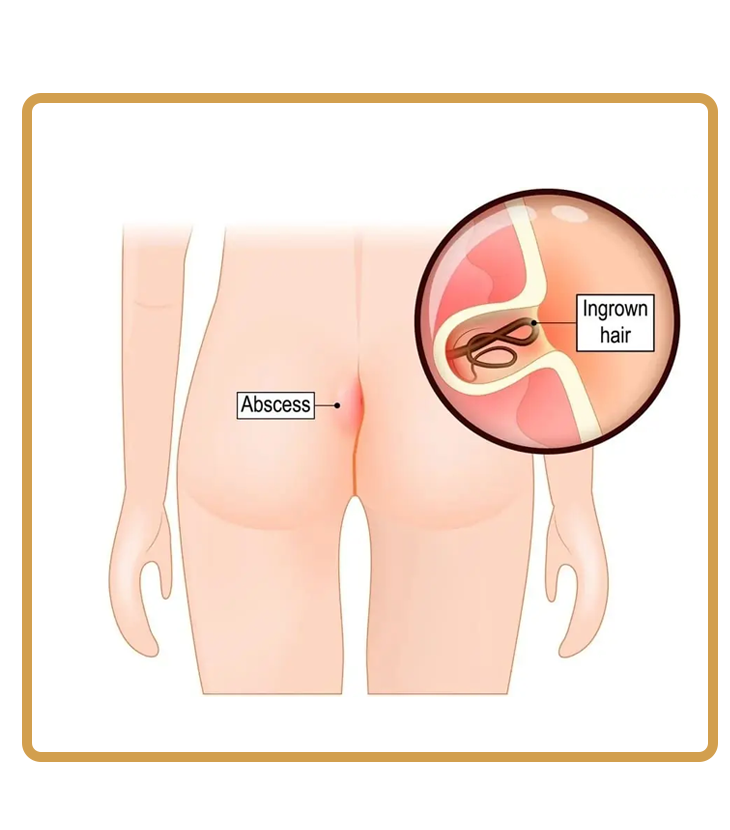
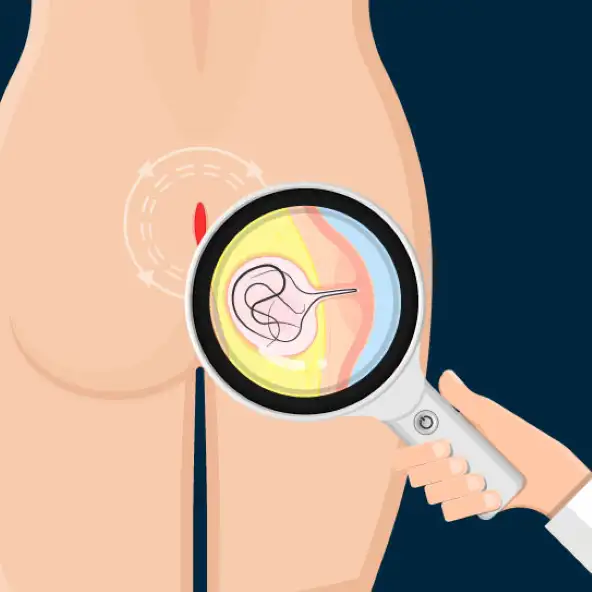
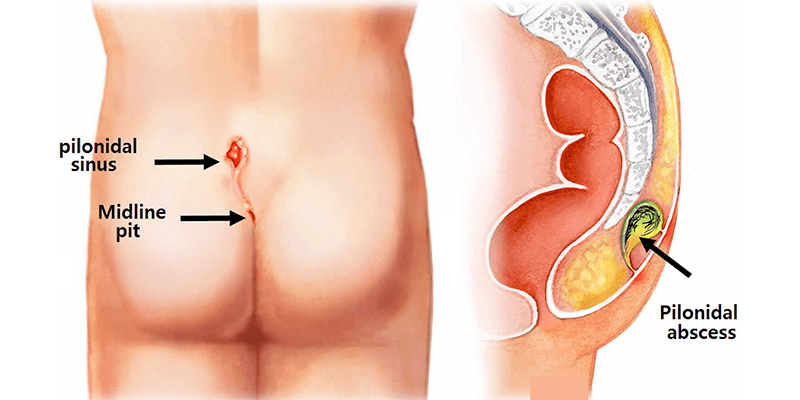
Pilonidal sinus is a small tunnel or cavity near the tailbone (upper buttock cleft) that often contains hair and debris. It commonly affects young adults and may become infected repeatedly.
Pain or swelling near the tailbone often indicates irritation or infection and should not be ignored, as early evaluation helps prevent worsening symptoms and reduces discomfort.
Repeated discharge or pus from the affected area suggests ongoing infection and needs timely medical attention to avoid complications, control infection, and promote proper healing.
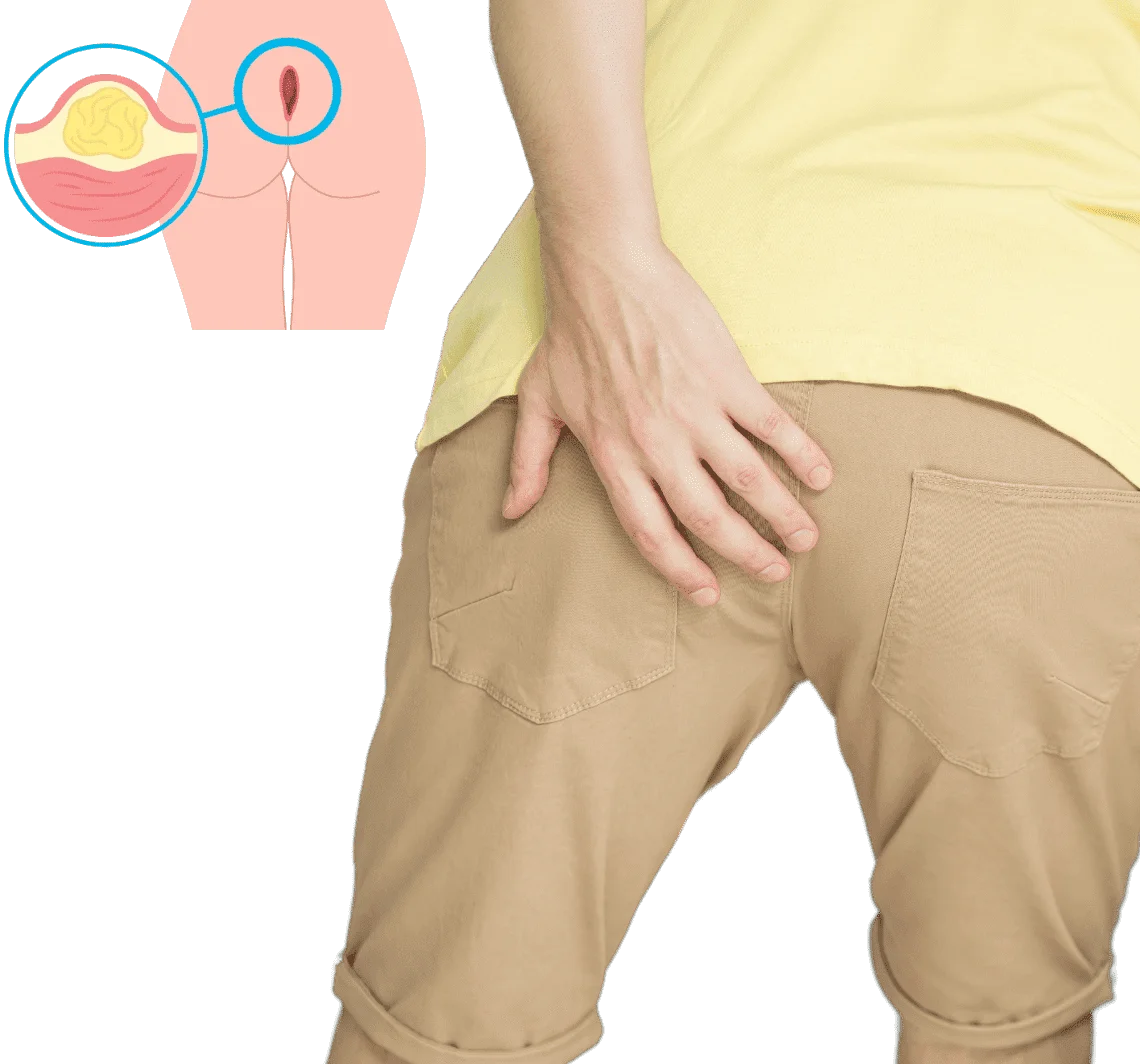
Redness or abscess formation near the tailbone signals active infection and inflammation, requiring prompt treatment to relieve pain, prevent spread, and avoid surgical emergencies.
Difficulty sitting for long periods due to pain may affect daily activities and quality of life, making early consultation important for comfort, relief, and faster recovery.
Piles are not life-threatening, but untreated piles can progress and significantly affect daily life.
Early treatment avoids complications and major surgery.
Treatment is tailored based on, the extent of the sinus, the presence of infection, and previous treatments (if any)
Is Surgery Always Required for Pilonidal Sinus?
Yes, in most cases. Medicines and drainage can control infection temporarily, but definitive surgical treatment is usually required to prevent recurrence.
Cashless insurance & TPA support available Our team assists with documentation for a stress-free experience.
Regular follow-up and hygiene guidance help ensure smooth recovery.
No. Definitive treatment usually requires surgery to prevent recurrence.
Modern minimally invasive techniques significantly reduce pain and recovery time.
Recurrence risk is low when the sinus is treated completely with the right technique and follow-up care.
Most procedures are completed within 45–90 minutes, depending on complexity.
Copyright © 2025 All Rights Reserved.
Website Developed & Managed By : Mint Social Media