Anal fissure pain can make even simple daily activities uncomfortable. At Midas Healing Center, we offer modern, minimally invasive fissure treatment designed to reduce pain, promote healing, and help you return to normal life quickly — without unnecessary surgery.
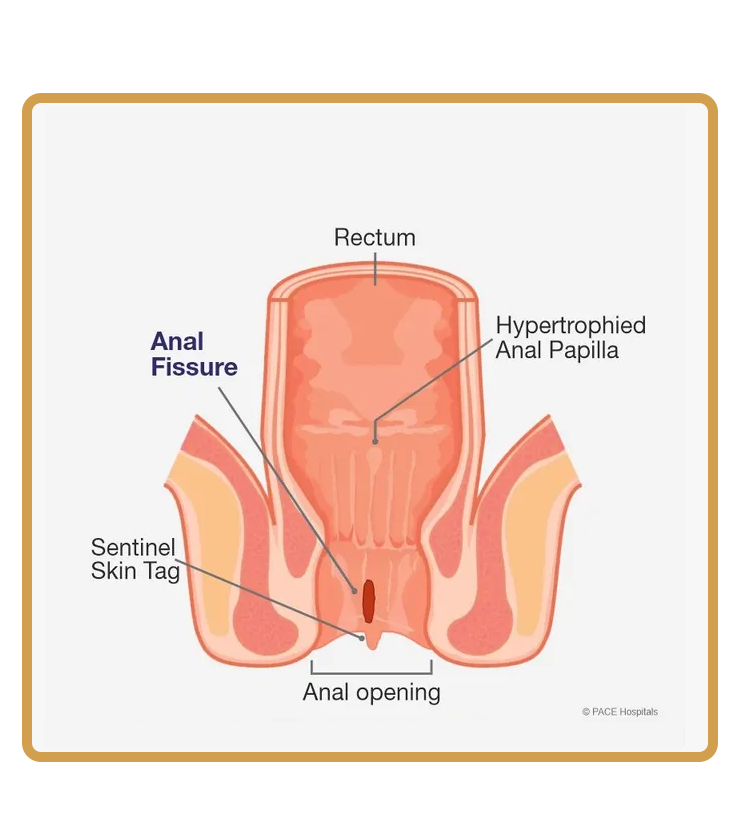
An anal fissure is a small tear in the lining of the anus, usually caused by hard stools, constipation, or strain during bowel movements.
Sharp or burning pain while passing stools often indicates an anal fissure and should not be ignored, as early medical care helps reduce pain and promotes faster healing.
Noticing fresh blood on toilet paper after bowel movements is a warning sign of fissures or piles and should be medically evaluated to avoid worsening symptoms.
Spasm or tightness around the anus occurs due to muscle irritation and reduced blood flow, increasing pain and delaying healing unless proper treatment is started early.
Pain lasting hours after a bowel movement is typical of anal fissures and indicates muscle spasm, requiring timely treatment to improve comfort and recovery.
While fissures can start small, persistent fissures often need medical attention.
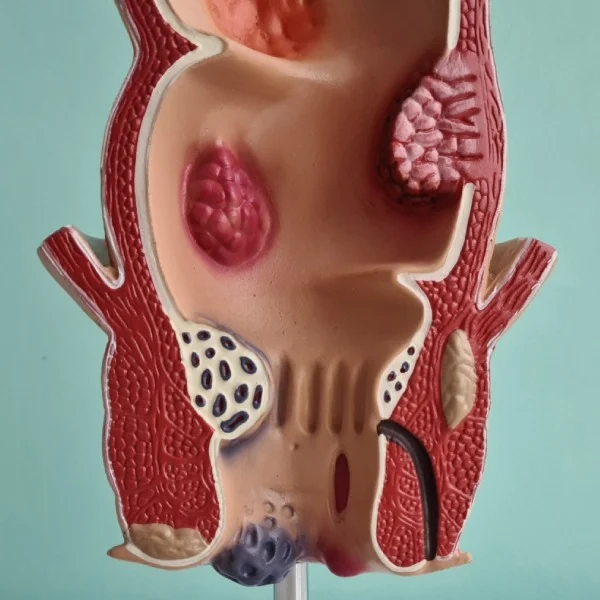
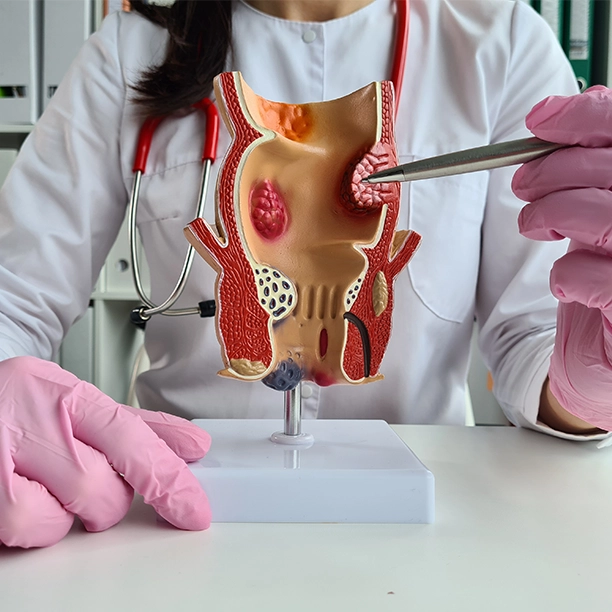
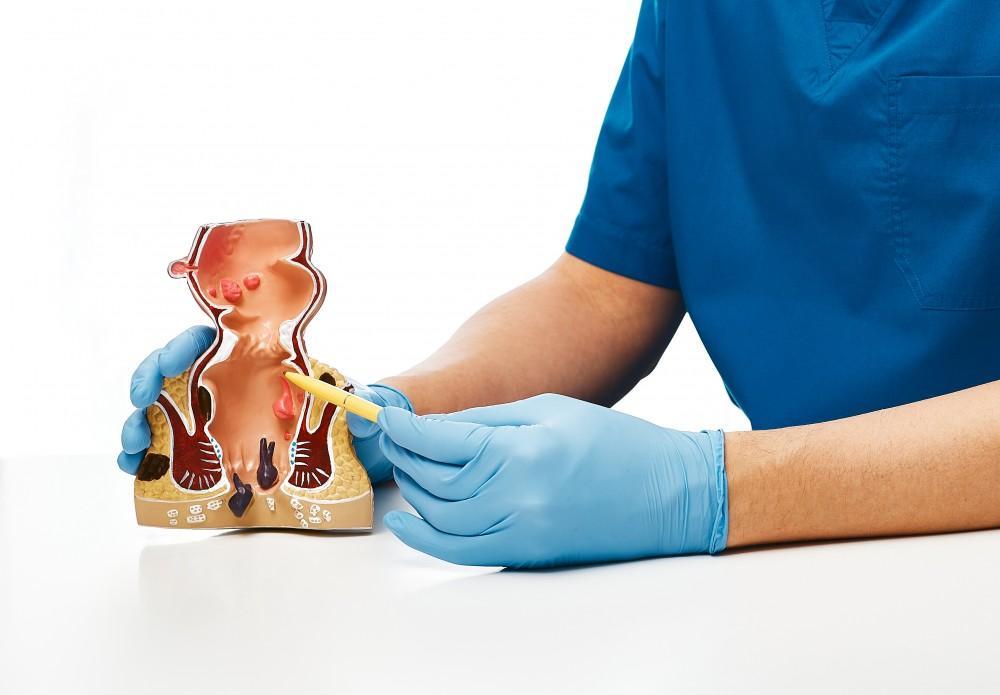
Many patients delay treatment, hoping the pain will settle on its own. You should consult a surgeon if
Early treatment prevents chronic fissure and long-term discomfort.
We follow a step-by-step, need-based approach — surgery is recommended only when necessary.
Your surgeon will explain what is suitable for your condition after evaluation.
Cashless insurance support available. Our team assists with documentation to make the process smooth and stress-free.
Diet guidance and follow-up care are provided to support long-term relief.
No. Many fissures heal with medicines and lifestyle changes. However, chronic fissures often do not heal completely without a procedure.
The goal is simple:
• Reduce pain
• Allow healing
• Prevent recurrence
Most modern treatments aim to reduce pain and discomfort significantly compared to traditional surgery.
Yes, early fissures often heal with medicines, diet changes, and proper care.
Most procedures are short and usually completed within 30 minutes.
With proper treatment, diet correction, and follow-up, recurrence is uncommon.
Copyright © 2025 All Rights Reserved.
Website Developed & Managed By : Mint Social Media