MIDAS Healing Center
Updated July 2026 · Pune
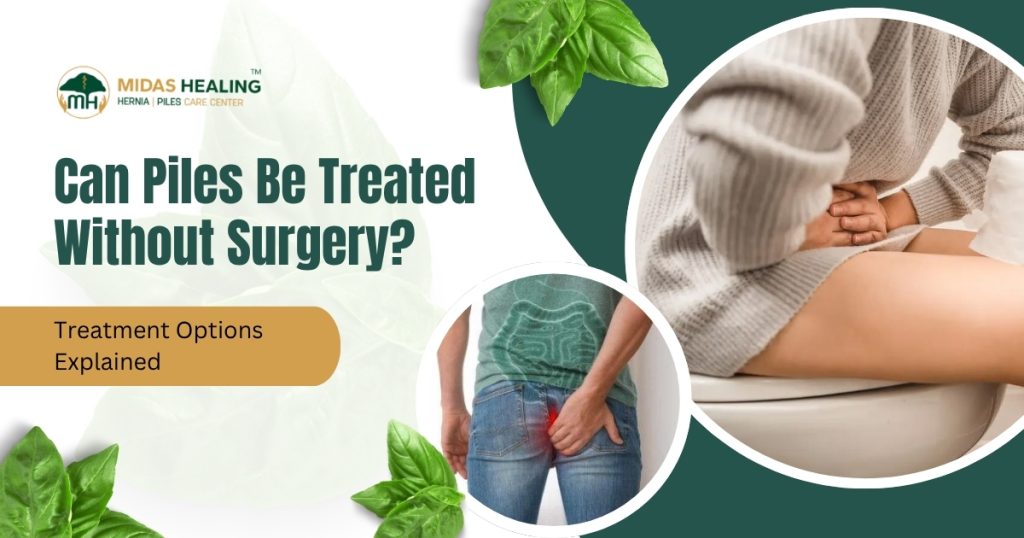
Piles, also known as haemorrhoids, are swollen veins in the lower rectum or anus that can cause discomfort, itching, bleeding and pain during bowel movements. While severe cases may require procedural intervention, many people can benefit from piles treatment without surgery, particularly when symptoms are identified and managed early.
Understanding the available treatment options can help you choose the most suitable approach based on the severity of your condition, symptoms and overall health. Consulting a qualified medical professional ensures an accurate diagnosis and an individualised treatment plan.
What Are the Best Non-Surgical Options for Managing Piles?
For mild to moderate haemorrhoids, non-invasive piles management often combines lifestyle modifications, dietary improvements, medicines and minimally invasive procedures where appropriate. Early treatment can relieve symptoms, reduce inflammation and help prevent the condition from progressing, allowing many patients to avoid conventional surgery.
Lifestyle Changes That Support Recovery
Simple daily habits play an important role in relieving piles symptoms. Increasing fibre intake through fruits, vegetables, whole grains and legumes helps soften stools and reduce straining during bowel movements. Drinking sufficient water and engaging in regular physical activity also promote healthy digestion.
Avoiding prolonged sitting on the toilet and responding promptly to the urge to pass stools can further reduce pressure on the affected veins.
The Role of Medicines
Doctors may recommend piles medication to help manage discomfort and inflammation. Depending on individual symptoms, treatment may include topical creams, ointments, suppositories or oral medicines designed to relieve pain, itching and swelling.
While medication can effectively control symptoms in many early cases, it should be used under medical guidance, particularly if bleeding persists or symptoms worsen.
Minimally Invasive Treatment Options
When lifestyle changes and medicines do not provide sufficient relief, minimally invasive procedures may be considered. Rubber band ligation, sclerotherapy and infrared coagulation are commonly used for selected cases and are typically performed without major surgery.
These procedures usually involve shorter recovery periods than conventional surgical techniques and allow patients to resume normal activities relatively quickly.
When Is Laser Treatment Recommended?
For certain patients with more advanced haemorrhoids, laser piles treatment may be recommended. This minimally invasive technique uses laser energy to reduce haemorrhoidal tissue while minimising damage to surrounding structures.
Laser procedures are often associated with reduced postoperative discomfort, less bleeding and faster recovery compared with traditional surgery, although suitability depends on the patient’s clinical condition and should be determined by a qualified specialist.
When Should You See a Specialist?
Persistent rectal bleeding, severe pain, recurrent prolapse or symptoms that fail to improve despite conservative care should always be assessed by a healthcare professional. Similar symptoms may be caused by other digestive conditions, making an accurate diagnosis essential before beginning treatment.
If you are considering piles treatment without surgery, seeking timely medical advice can improve outcomes and help identify the most appropriate option. Midas Healing provides personalised assessment and evidence-based care, offering modern solutions that prioritise patient comfort while supporting effective, long-term management of haemorrhoids.
📋 In This Article
- List Item #1
- List Item #1
- List Item #1
- List Item #1
- List Item #1
Get Expert Consultation – Only ₹399
Get Expert Consultation – Only ₹399
Phone
+91 7070700684
+91 7070700683
midashealing1@gmail.com
1. Can piles heal without surgery?
Yes. Many mild and moderate cases improve with piles treatment without surgery, including dietary changes, increased fibre intake, hydration, prescribed medicines and healthy bowel habits. Early diagnosis and following your doctor’s recommendations significantly improve symptom control and reduce the likelihood of disease progression.
2. Is laser treatment better than conventional surgery?
Laser piles treatment may offer benefits such as less bleeding, reduced postoperative discomfort and faster recovery for selected patients. However, it is not suitable for every case. The most appropriate treatment depends on the severity of haemorrhoids and your specialist’s clinical assessment.
3. Which medicines are commonly prescribed for piles?
Doctors may prescribe piles medication such as topical creams, ointments, suppositories or oral medicines to relieve pain, itching and inflammation. These treatments help manage symptoms but should be used according to medical advice, especially if bleeding or persistent discomfort continues.
4. How long does non-surgical treatment take to work?
Many patients notice symptom improvement within several days to a few weeks, depending on the severity of their condition and adherence to treatment recommendations. Maintaining healthy bowel habits and attending follow-up appointments can support long-term symptom control and reduce recurrence.
5. When should I seek medical attention for piles?
You should consult a healthcare professional if symptoms persist, bleeding becomes frequent, pain is severe or a prolapsed haemorrhoid cannot be gently reduced. Prompt evaluation helps confirm the diagnosis, rule out other conditions and determine the most suitable treatment approach.